Sep 21, 2026Trading
Rework Is Not the Same as Reinspection: A Functional Toy Buyer’s Checklist
A buyer checklist for confirming that functional defects are retested after rework and that shipment release is supported by relevant evidence.
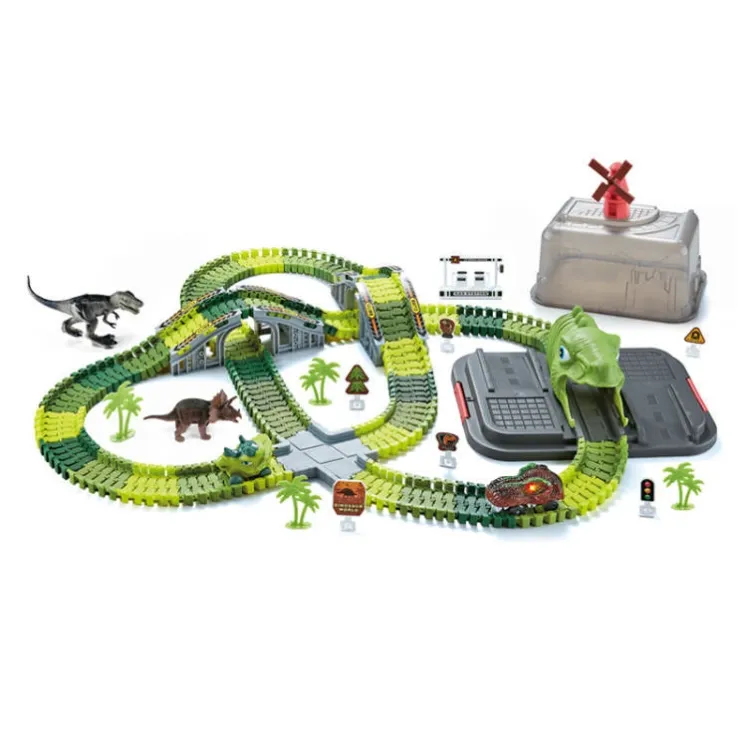
When a supplier says that rework is complete, the problem may sound closed. For a sourcing manager, however, completion of the repair activity is not the same as evidence that the original defect has been removed. Goods can return from rework with corrected labels, cleaner cartons or replaced parts while the failed function has not been tested again.
This article turns that risk into a practical purchasing process. It does not describe an identifiable customer or factory, and it does not promise a universal sampling plan. The inspection method must match the product, defect, quantity and buyer requirement.
Define the Original Failure Precisely
“Function problem” is too broad for a corrective-action record. Describe what failed, how the failure was found and what result is expected after correction. For a functional toy, the issue might concern movement, assembly, a control response or another observable result. Do not add unverified technical details; record only what the approved requirement and inspection evidence support.
A useful defect record contains:
- The exact SKU and configuration checked.
- The approved reference or written requirement.
- A clear description of the observed failure.
- Photos, video or inspection notes when appropriate.
- The quantity checked and the result recorded by the inspector.
- The person responsible for reviewing the corrective action.
Without this baseline, the supplier may correct a visible symptom without addressing the relevant failure mode.
Match the Rework Plan to the Defect
Ask the supplier to explain what will be changed and how affected units will be identified. A statement such as “all goods repaired” is not enough for release. The buyer needs to understand whether the action covers all units, a defined batch or only the inspected pieces.
The plan should also protect against new problems. Opening packaging, replacing parts or adjusting assembly can affect appearance, accessories, instructions or packing. The reinspection therefore needs to verify the original failed characteristic first and then check any areas reasonably affected by the rework.
Retest the Failed Characteristic
The most important rule is simple: if function caused the rejection, function must be part of the next inspection. A carton or label check cannot close a functional defect. The buyer and inspection party should agree on what will be tested, how results will be recorded and what happens if the failure appears again.
Consider these questions:
- Does the reinspection cover the exact SKU and corrected batch?
- Is the original failed function included explicitly?
- Is the sample appropriate for the risk and buyer requirement?
- Are corrected and uncorrected goods clearly separated?
- Is there evidence that the rework instruction reached production and packing teams?
The required sampling level should not be invented in an article or copied from an unrelated order. It should be agreed for the actual product and risk.
Control the Release Decision
Reinspection produces information; it does not automatically authorize shipment. Before work begins, define who can release the goods and what evidence that person needs. If the defect remains, the process should state whether further sorting, another corrective action or a new inspection is required.
Avoid releasing goods only because the shipping date is close. Schedule pressure can explain urgency, but it does not change the evidence needed to confirm that the agreed requirement has been met.
Keep the final record concise and connected: defect description, corrective action, reinspection result and release decision. If these items live in unrelated messages, teams can follow different versions.
Common Buyer Mistakes
- Accepting “rework completed” without a written scope.
- Checking only packaging after a functional rejection.
- Retesting a convenient sample that does not represent the corrected goods.
- Failing to separate affected and unaffected batches.
- Approving shipment before the reinspection report is reviewed.
- Treating a supplier photo as a substitute for the agreed verification method.
Turn Rework Into a Closed Control Loop
The reliable sequence is defect, corrective action, reinspection and release. Each step should answer the next buyer question. What failed? What changed? What evidence shows the change worked? Who approved shipment?
Share the failed function, proposed rework scope and preferred inspection approach. MIY TOYS can help prepare a focused comparison of the supplier’s corrective action and the evidence needed before release.
Explore relevant products at https://www.miytoys.com/products and contact us at https://www.miytoys.com/contact-us.
© 2026 MIY TOYS. All rights reserved. This article may not be copied, reproduced or republished without prior written permission from MIY TOYS.